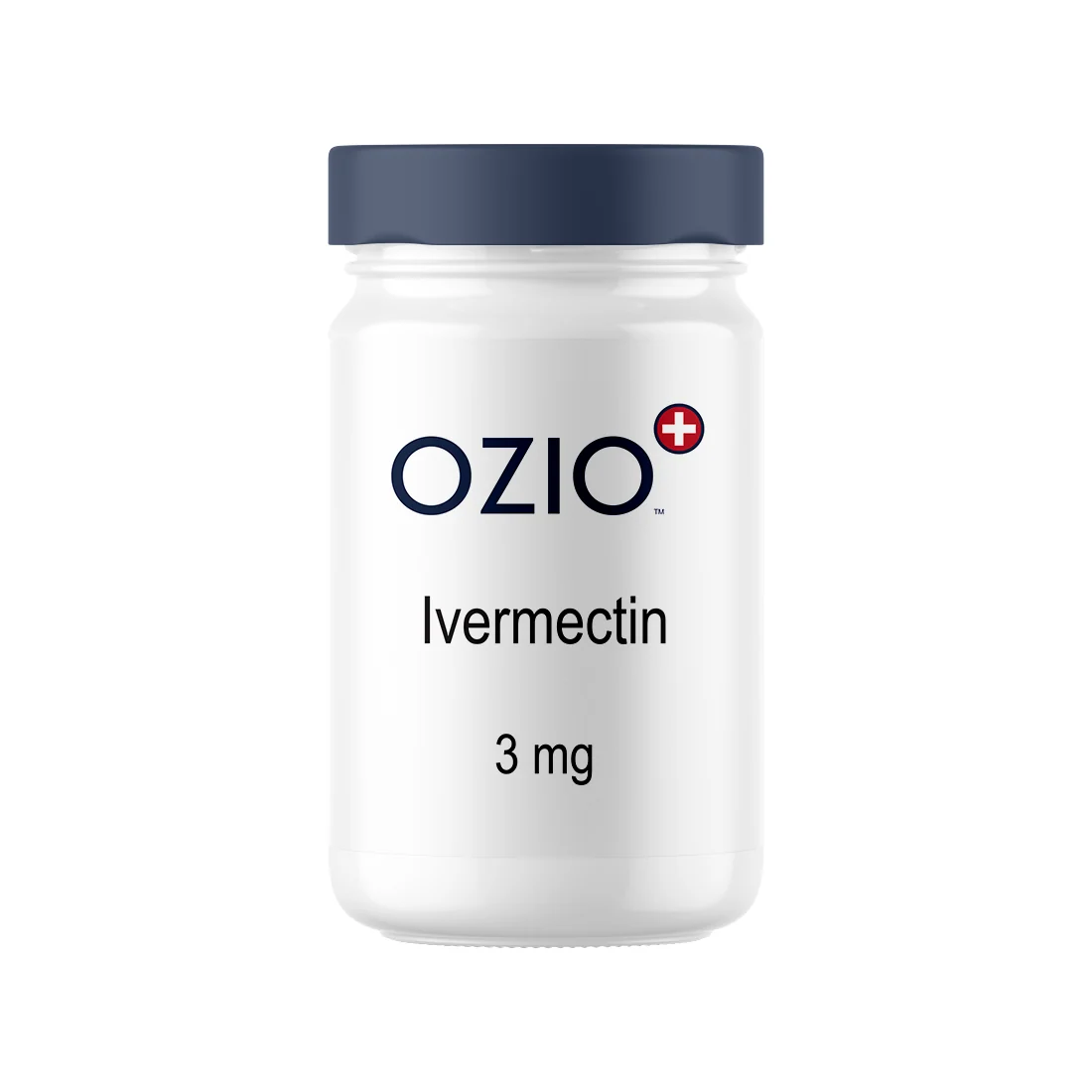
Ivermectin 3mg tablets are prescription medicines used to treat certain parasitic infections. The drug belongs to a group of medicines called antiparasitic agents and works by affecting the nervous system of susceptible parasites. It has been used for conditions such as strongyloidiasis and onchocerciasis, while some other parasitic conditions may also be treated with ivermectin depending on a clinician’s assessment.
The strength printed on the package is only one part of safe medicine use. The appropriate dose can depend on the infection being treated, body weight, medical history, other medicines, and the specific product prescribed.
What Ivermectin 3mg Tablets Are Used For
Ivermectin is primarily associated with the treatment of certain infections caused by parasites. One established use is intestinal strongyloidiasis, an infection caused by Strongyloides stercoralis. It is also used for onchocerciasis, a parasitic disease caused by Onchocerca volvulus. Readers seeking further information about Ivermectin 3mg Tablet can review details about its uses, dosing considerations, and precautions before treatment. The medicine works against susceptible parasites and should be taken according to the dosage and instructions provided by a qualified healthcare professional.
Doctors may prescribe ivermectin for other parasitic conditions in particular circumstances. The decision depends on the parasite involved, the patient’s condition, and available treatment options.
Ivermectin is not a general-purpose medicine for infections caused by bacteria or viruses. Using it for a condition for which it has not been prescribed may expose someone to side effects without providing a useful treatment benefit.
How the Medicine Works
Ivermectin affects certain chloride channels found in parasites. This interferes with nerve and muscle activity, eventually causing paralysis and death of susceptible parasites.
Its action is selective because these targets differ between parasites and humans. Even so, ivermectin is a pharmacologically active medicine and can cause adverse effects, particularly when taken incorrectly or in unsuitable amounts.
The medicine’s effect also varies according to the type of parasite. A treatment that is appropriate for one infection may not be appropriate for another. This is one reason dosing should be based on the diagnosed condition rather than on tablet strength alone.
Why the 3mg Strength Matters
A 3mg tablet contains 3 milligrams of ivermectin. Prescriptions may require a particular number of tablets based on the patient’s weight and the condition being treated.
For some infections, ivermectin dosing is calculated using body weight rather than a fixed dose for every adult. The number of tablets required can therefore differ from one person to another.
Patients should follow the directions on their prescription or those provided by their pharmacist. Taking extra tablets because a smaller amount seems ineffective can increase the risk of adverse reactions. Likewise, taking fewer tablets than prescribed may result in inadequate treatment.
Taking Ivermectin Safely
The instructions supplied with the prescription should be followed carefully. Depending on the indication and product instructions, ivermectin may be taken with water and may have specific directions concerning food.
Patients should avoid changing the schedule or dose without speaking with their healthcare professional. Some treatments involve a single dose, while others may require repeat treatment based on the infection and clinical response.
A missed dose should not automatically be replaced with an additional dose. The appropriate action depends on the prescribed schedule.
Ivermectin should also be kept away from children and stored according to the product label.
Possible Side Effects
Like other medicines, ivermectin can cause side effects. Common reactions may include dizziness, nausea, diarrhea, abdominal discomfort, weakness, or headache. Some reactions can be related to the infection itself, particularly during treatment of certain parasitic diseases.
More serious reactions require medical attention. Severe dizziness, confusion, loss of coordination, significant skin reactions, breathing difficulties, seizures, or unusual changes in consciousness should not be ignored.
Patients receiving treatment for onchocerciasis can experience inflammatory reactions caused by the death of microfilariae. Symptoms may include fever, itching, swollen lymph nodes, rash, muscle or joint discomfort, or eye-related problems. Medical supervision is particularly relevant in this setting.
Drug Interactions and Medical History
A healthcare professional should know about all prescription medicines, nonprescription products, and supplements being taken before ivermectin is used.
Certain medicines may affect how ivermectin is processed or may increase the risk of adverse effects. Warfarin, for example, can require closer monitoring in patients taking ivermectin because changes in anticoagulant response have been reported.
Medical history also matters. Liver problems, previous medication reactions, and certain neurological conditions may influence prescribing decisions.
Pregnancy and breastfeeding should also be discussed with a healthcare professional before treatment. The potential benefits and risks need to be considered for the individual patient.
Why Veterinary Ivermectin Should Not Be Substituted
Ivermectin products made for animals are formulated for veterinary use and should not be substituted for a human prescription. Veterinary products can differ in concentration, formulation, dosing instructions, and inactive ingredients.
A product intended for a horse, cattle, or another animal does not provide a reliable alternative to a medicine prescribed for a person. Human treatment should use a product manufactured and labeled for human use.
This distinction is particularly relevant because concentrated veterinary formulations can make accidental overdosing easier.
Buying Ivermectin 3mg Tablets
Prescription medicines should be obtained through legitimate pharmacies and used according to a valid prescription where required. Online purchasing requires the same level of caution as purchasing from a physical pharmacy.
A legitimate online pharmacy should provide clear product information and appropriate prescription requirements. Consumers should be cautious about websites offering ivermectin without medical review, especially when product labeling, manufacturer details, or dosage information is unclear.
Packaging should be checked before use. Patients should avoid taking tablets that appear damaged, have unexpected changes in appearance, or come from an uncertain source.
Questions to Discuss With a Pharmacist or Doctor
A short discussion with a healthcare professional can resolve many dosing and safety concerns. Useful questions include:
Why has ivermectin been prescribed?
Knowing the diagnosed infection helps patients understand why the medicine is being used.
How many 3mg tablets should be taken?
The answer depends on the prescribed dose, which may be based on body weight and the condition being treated.
Should the tablets be taken with food?
Follow the instructions provided for the particular prescription and product.
What medicines should be avoided?
Provide a complete list of current medicines, supplements, and other products.
What symptoms require medical attention?
Ask about expected reactions as well as warning signs that require prompt care.
A Prescription Should Guide the Dose
Ivermectin 3mg tablets offer a useful treatment option for certain parasitic infections, but the correct use depends on the condition being treated and the patient’s individual circumstances. Tablet strength alone does not determine the appropriate treatment.
Using a prescribed human formulation, following dosing instructions, checking for possible interactions, and seeking professional advice about unusual symptoms can reduce avoidable risks. For anyone considering ivermectin, the safest starting point is an accurate diagnosis and a treatment plan provided by a qualified healthcare professional.