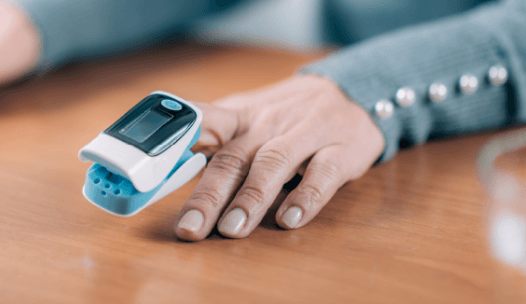
Smart devices enable continuous health monitoring across home, clinic, and hospital settings. They collect real-time data on vitals, activity, and environment, supporting timely interventions and personalized care. Interoperable formats help clinicians interpret signals quickly, while patients gain engagement and adherence. Key considerations include accuracy, battery life, privacy, and governance to sustain scalable, secure data flow from home to electronic records. This evolving ecosystem invites stakeholders to balance practicality with rigor as the landscape unfolds.
What Smart Devices Bring to Healthcare Monitoring
Smart devices bring continuous, real-time data collection and remote monitoring to healthcare, enabling timely interventions and more personalized care. They integrate remote sensors across settings, capturing vital signs, activity, and environmental factors.
This stream supports data interoperability, standardizing formats for analysis. Clinicians gain situational awareness, reduce delays, and tailor plans, while patients experience more proactive, autonomous management of health.
How Real-Time Data Improves Patient Outcomes
Real-time data from connected devices enables timely clinical decisions by translating continuous streams—vital signs, activity, and environmental cues—into actionable insights. This flow supports earlier interventions, reduces delays, and guides treatment adjustments, improving outcomes.
Data security safeguards patient information while powering analytics that personalize care.
Enhanced patient engagement reinforces adherence, transparency, and trust, aligning monitoring with patient autonomy and safer, proactive health management.
Choosing Devices: Factors for Clinicians and Patients
Selecting devices for clinical use involves balancing accuracy, reliability, and patient needs. Clinicians compare sensor validation, battery life, and maintenance, while patients assess ease of use and comfort. Data interoperability supports seamless records and alerts; privacy concerns require clear consent and governance. Outcomes depend on transparent performance metrics, standardized reporting, and user-centered design that respects autonomy and supports informed choices for diverse care settings.
From Home to Clinic: Integrating a Smart Monitoring Ecosystem
From home to clinic, a cohesive smart monitoring ecosystem must bridge data capture, transmission, and clinical interpretation. Systems synchronize patient-generated data with electronic records, enabling real-time alerts and informed decisions. Governance frameworks ensure data integrity, access controls, and interoperability. Data governance emphasizes accountability, while privacy risks highlight safeguards. A transparent, scalable approach supports patient autonomy without compromising safety or clinician trust.
See also: How to Choose a Reliable Crypto Wallet
Frequently Asked Questions
How Secure Are Smart Health Devices Against Data Breaches?
Answer: Smart health devices implement data breach prevention practices and encryption standards, but security varies by device and provider. Even with robust measures, vulnerabilities exist; ongoing updates, audits, and user vigilance are essential for preserving data privacy.
Do All Devices Meet Interoperability Standards Across Systems?
Interoperability standards are not universally met; devices vary widely in data exchange, security vulnerabilities, and patient data handling. A binary landscape emerges: seamless integration next to gaps, demanding ongoing evaluation to ensure consistent, freedom-conscious healthcare interoperability.
What Are the Costs and Reimbursement Options for Patients?
Costs vary by device and insurer; reimbursement pathways exist but differ by plan. Data security protections influence coverage decisions. Cost coverage hinges on eligibility, documentation, and payer policies, while patients pursue standardized codes and proactive appeals for optimal reimbursement.
How Do Devices Affect Patient Privacy in Daily Life?
Devices magnify privacy concerns, yet daily life implications persist. They can collect, transmit, and expose data, prompting heightened vigilance. This data-driven reality demands clear policies, user control, and transparent practices for a freedom-seeking audience.
What Training Is Required for Long-Term Device Use?
Training requirements for long-term device use emphasize modular instruction, practical demonstrations, and ongoing support; data shows higher adherence when curricula address usability, safety, and troubleshooting, supporting long term usability while preserving user autonomy and informed decision-making.
Conclusion
Smart devices deliver continuous, real-time data across home, clinic, and hospital settings, enabling proactive care and personalized interventions. Real-time insights improve outcomes through early detection, timely alerts, and adaptive treatment. Clinicians must balance accuracy, battery life, privacy, and governance while integrating data into electronic records. Patients gain engagement and adherence with user-friendly interfaces and clear data visualization. When combined into a seamless monitoring ecosystem, care moves like clockwork, but data privacy remains the name of the game.